
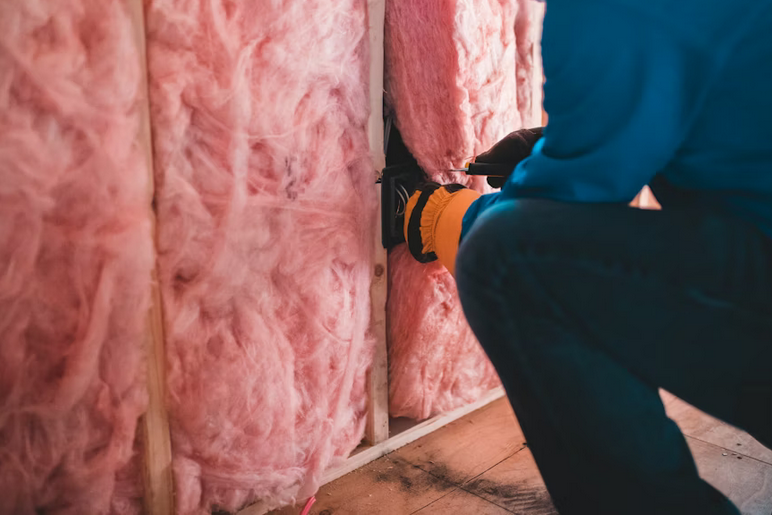
Many homeowners focus on insulating walls, attics, and windows. The garage is often overlooked. Yet this space plays a larger role in home efficiency than most people realize. Whether attached or detached, a garage can influence indoor temperatures, energy bills, and overall comfort. Insulating it properly helps stabilize conditions throughout the house. When treated as part of the building envelope rather than an afterthought, the garage becomes a functional contributor to energy performance.
The Garage as a Thermal Buffer
An attached garage shares at least one wall with the main living area. Some homes even have bedrooms above them. Without insulation, the garage becomes a temperature swing zone. In hot weather, it traps heat. In colder months, it becomes a cold chamber. These extremes transfer through shared walls and ceilings. Your HVAC system must work harder to compensate. Insulation reduces this temperature exchange. It creates a buffer that limits heat gain and loss. By controlling garage temperatures, you indirectly improve the comfort of nearby rooms. The effect may seem subtle at first, but over time it becomes noticeable.
Reducing Energy Loss Through Shared Walls

Shared walls between the garage and the home can become weak points. If these walls lack insulation, conditioned air escapes more easily. This forces heating and cooling systems to run longer cycles. Adding insulation strengthens this barrier. It slows heat transfer. It also helps ensure that indoor temperatures remain more consistent. Even small gaps can impact performance, so sealing and insulating together produce the best results. Energy efficiency depends on limiting leaks. Treating the garage walls properly supports that goal.
Heating and Cooling Costs
Energy bills often reflect hidden inefficiencies. An uninsulated garage contributes to fluctuating indoor temperatures. The thermostat responds by triggering heating or cooling more frequently. Insulation moderates this cycle. By reducing temperature differences between the garage and adjacent rooms, the system operates more steadily. This can lower overall energy consumption. The savings may vary depending on climate and home design. However, in regions with extreme temperatures, the difference can be significant. Over time, reduced strain on HVAC equipment may also extend its lifespan.
Improving Comfort in Adjacent Spaces
Rooms next to or above the garage often feel colder in winter and warmer in summer. This imbalance creates discomfort. Insulation helps correct it. When the garage ceiling and walls are insulated, heat transfer decreases. Floors above the garage feel less chilly. Bedrooms remain more stable throughout the year. Comfort improvements are not only about temperature. Insulation can also reduce drafts and cold spots. This creates a more uniform indoor environment.
Supporting Multi-Use Garage Spaces
Many homeowners use garages for more than parking. They become workshops, home gyms, or storage areas. Temperature control matters in these settings. Insulation makes the space more usable year-round. It moderates extremes and supports optional heating or cooling systems. Without insulation, any added climate control will be inefficient. A comfortable garage expands functional square footage. It turns an overlooked area into a practical extension of the home.
Choosing the Right Insulation Approach
Several insulation materials are available. Fiberglass batts, rigid foam boards, and spray foam each offer different benefits. The choice depends on wall structure, budget, and climate. Proper installation is critical. Gaps reduce effectiveness. Sealing around doors and framing also matters. Garage doors themselves can be insulated to limit heat transfer. Professional assessment can help determine where insulation will have the greatest impact. Addressing ceilings, walls, and shared entry doors creates a comprehensive solution.
Controlling Moisture and Air Quality
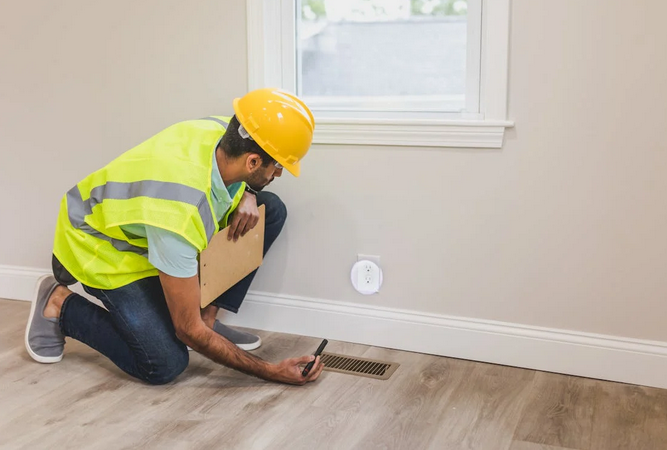
Garages are prone to moisture from vehicles, outdoor air, and stored items. Without insulation and proper sealing, damp air can move into the home. This affects indoor air quality. Insulation works best when combined with air sealing. Together, they reduce the movement of humid or polluted air. This helps maintain healthier indoor conditions. In colder climates, insulation also reduces condensation on surfaces. Less moisture means lower risk of mold growth and structural damage.
Considering Long-Term Value and Efficiency
Garage insulation contributes to whole-home performance. It strengthens the building envelope. It reduces strain on mechanical systems. It improves comfort in surrounding rooms. The return on investment may not be immediate, but benefits accumulate. Lower energy use, improved durability, and better comfort create lasting value. Treating the garage as part of the home’s efficiency strategy reflects thoughtful design. Small structural improvements can lead to measurable gains in performance and livability.
Garage insulation plays a meaningful role in whole-home efficiency. By reducing heat transfer, lowering energy costs, improving comfort, and supporting better air quality, it strengthens overall building performance. When integrated with proper sealing and thoughtful material selection, it transforms an often-neglected space into an asset. Investing in garage insulation is a practical step toward a more stable and energy-efficient home.